Kurma: A Superfood for Everyday Life


Kurma, generally understood as dates, has actually been a cherished fruit for centuries, stemming from the Middle East and spreading its popularity worldwide. This natural sweetener is not only scrumptious but likewise loaded with dietary advantages, making it a staple in both modern-day and ancient diet regimens. In this write-up, we explore the history, types, growing, health and wellness advantages, and numerous uses of kurma.
________________________________________
1. The Origins and History of Kurma
Kurma go back hundreds of years, with proof of their cultivation as very early as 4000 BCE in Mesopotamia. The fruit was very related to by old civilizations, including the Egyptians, that used dates in religious ceremonies and as an essential component in their diet regimen. It later came to be a staple in the Arabian Peninsula, infecting various other components of the globe via profession routes.
dates hold substantial cultural and spiritual relevance, particularly in Islamic tradition. They are often mentioned in the Quran and are an important part of Ramadan, signifying true blessings and sustenance.
________________________________________
2. Kinds of Kurma
There are hundreds of ranges of kurma, each with one-of-a-kind flavors, appearances, and colors. A few of one of the most preferred kinds consist of:
• Medjool Dates: Known for their plus size, soft texture, and caramel-like flavor.
• Deglet Noor: Often referred to as the "queen of dates," these are semi-dry with a mild sweet taste.
• Mazafati Dates: Moist, dark, and pleasant, they are a preferred in the center East.
• Ajwa Dates: Soft and small with a somewhat completely dry texture, they are extremely prized in Islamic tradition.
• Barhi Dates: Known for their golden color and crisp structure when fresh.
Each type has its very own qualities, making kurma a versatile fruit suitable for various cooking and wellness applications.
________________________________________
3. The Cultivation of Kurma
Kurma is expanded on dates hand trees (Phoenix dactylifera), which grow in dry environments. The growing process includes a number of actions:
• Planting: Date hands are generally propagated through offshoots to guarantee genetic consistency.
• Pollination: Farmers manually pollinate the women flowers to make certain ideal fruit manufacturing.
• Growth and Ripening: Dates undergo a number of stages of ripening, from immature (kimri) to completely ripe (tamar).
• Harvesting: The fruit is carefully gathered when it gets to the wanted phase of perfection, guaranteeing its quality and taste.
Countries like Saudi Arabia, Iran, Egypt, and Tunisia are among the leading manufacturers of kurma, supplying the world with this nourishing fruit.
________________________________________
4. Nutritional Value and Health Benefits
Kurma is a giant of important nutrients, including:
• Natural Sugars: Glucose, sucrose, and fructose supply a fast energy increase.
• Fiber: Supports digestive health and wellness and stops irregularity.
• Vitamins and Minerals: Rich in potassium, magnesium, b, calcium, and iron vitamins.
• Antioxidants: Combat free radicals, minimizing the threat of persistent illness.
Regular usage of kurma offers numerous health and wellness advantages:
• Boosts Energy: Ideal for athletes and individuals who need quick energy.
• Improves Digestion: The high fiber web content aids in intestine health and wellness.
• Supports Heart Health: Potassium and magnesium contribute to healthy blood pressure degrees.
• Enhances Brain Function: Antioxidants and vitamin B6 improve cognitive wellness.
• Promotes Bone Health: The minerals in dates reinforce bones and stop osteoporosis.
________________________________________
5. Culinary Uses of Kurma
Kurma's adaptability makes it a favored active ingredient in numerous foods:
• Snacks and Desserts: Enjoyed as a natural sugar in cakes, cookies, and energy rounds.
• Smoothies and Drinks: Blended into smoothie mixes for included sweetness and nutrition.
• Stuffed Dates: Filled with nuts or lotion cheese for a premium reward.
• Savory Dishes: Used in Middle Eastern tagines and stews to balance tastes.
• Natural Sweetener: Processed right into dates syrup or paste as a replacement for sugar.
________________________________________
Final thought
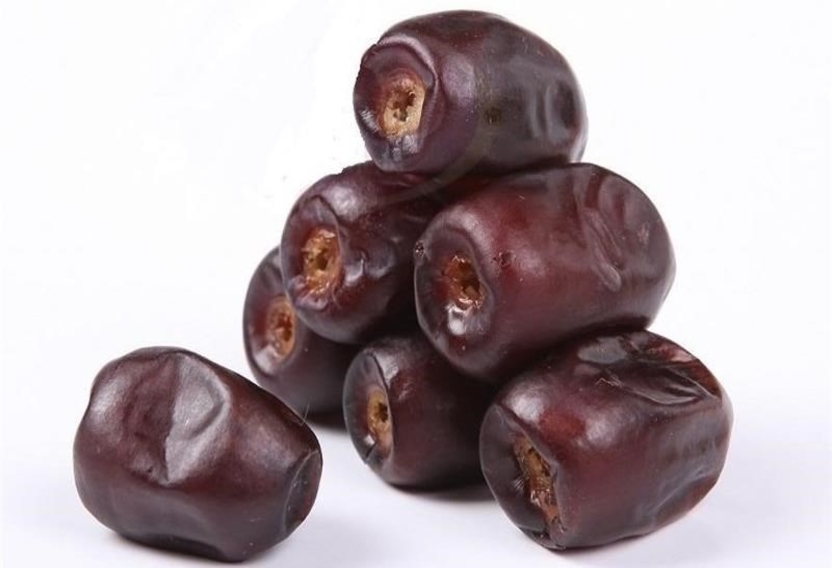
Kurma is even more than simply a fruit; it is a sign of health and wellness, society, and cooking excellence. From its ancient roots to its modern-day popularity, this pleasant joy proceeds to captivate hearts and taste buds worldwide. Whether you appreciate it as a snack or incorporate it right into your preferred dishes, kurma is a flexible and nutritious addition to any diet plan.
The Sweet and Simple Benefits of Kurma, typically recognized as dates, has actually been a treasured fruit for centuries, originating from the Middle East and spreading its fame worldwide. In this post, we explore the background, kinds, cultivation, health benefits, and various usages of kurma.
Kurma dates back thousands of years, with evidence of their farming as early as 4000 BCE in Mesopotamia. pemborong kurma is even more than just a fruit; it is a symbol of health, society, and cooking excellence. Whether you appreciate it as a treat or integrate it into your favored dishes, kurma is a flexible and nourishing enhancement to any diet regimen.